
The Art of Bouncing Forward: Evidence-Based Strategies for Building Psychological Resilience
Life is inherently filled with challenges, from everyday stressors and minor setbacks to profound adversity. The quality that allows some individuals to navigate these storms not only with strength but also with growth is psychological resilience.
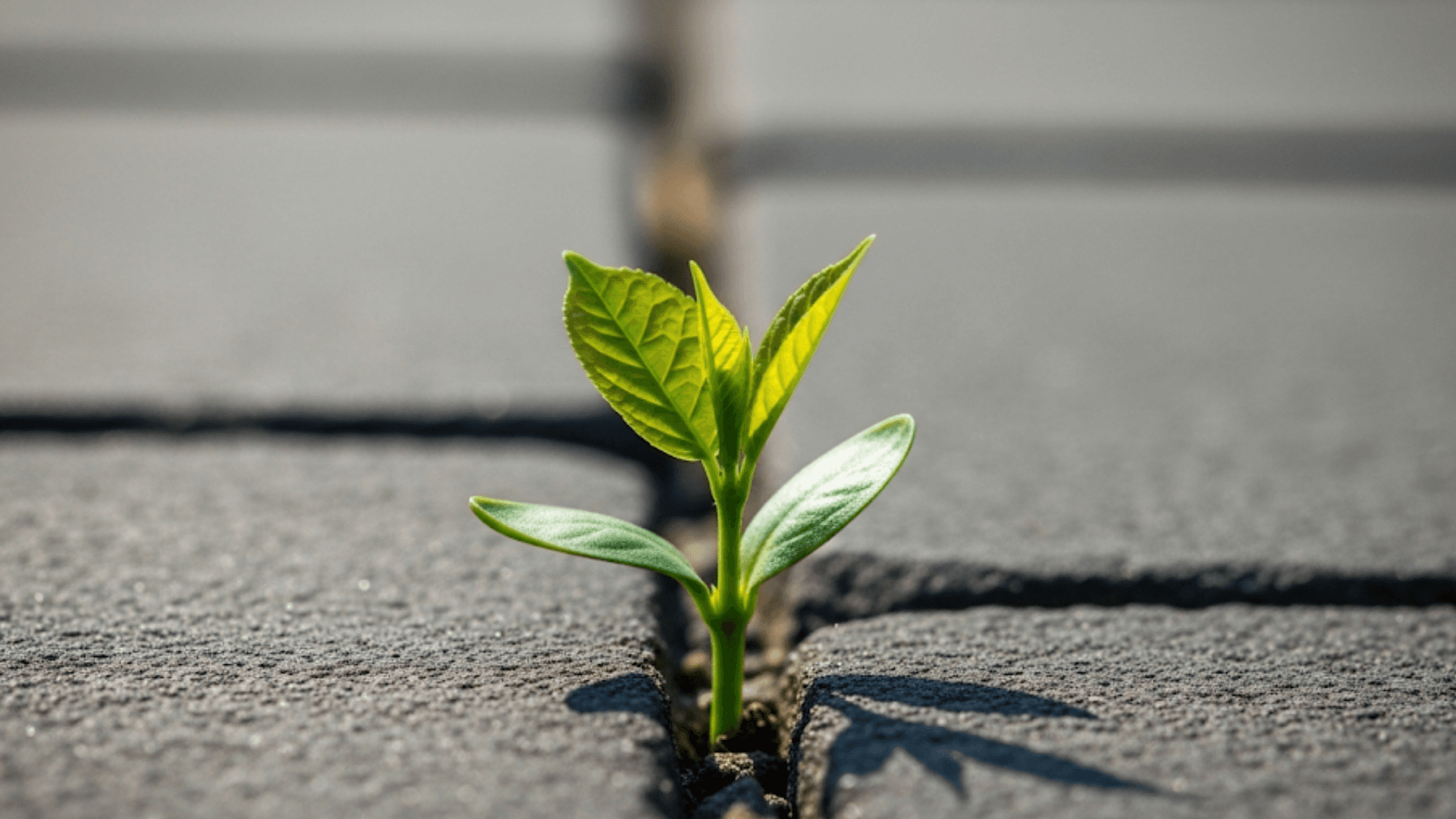
Life is inherently filled with challenges, from everyday stressors and minor setbacks to profound adversity. The quality that allows some individuals to navigate these storms not only with strength but also with growth is psychological resilience. This is not an innate, fixed trait of "toughness" that one either has or does not. Rather, resilience is a dynamic and learnable set of skills, perspectives, and qualities that can be cultivated over time. The goal is not merely to "bounce back" to where one was before a hardship, but to "bounce forward," integrating the lessons of adversity to emerge with greater wisdom, strength, and capacity.
The Five Pillars of a Resilient Life
A robust body of research has identified several key, modifiable factors that form the foundation of a resilient life. By focusing on these five pillars, anyone can actively build their capacity to cope with and grow from challenges.
Pillar 1: Social Engagement
Cultivating strong, supportive social connections is one of the most effective strategies for building resilience. Positive relationships provide emotional support, offer different perspectives, and buffer the negative effects of stress. Practical ways to strengthen this pillar include prioritizing face-to-face interaction over digital communication, joining groups or clubs centered on shared interests, and volunteering in the community.
Pillar 2: Self-Awareness & Self-Care
Resilience is built on a strong foundation of physical and emotional well-being. Self-awareness involves understanding one's own emotions, values, and stress responses. Self-care involves the practical actions that support this awareness, such as ensuring adequate sleep, maintaining a balanced diet, and engaging in regular physical activity. Practices like meditation, journaling, and making dedicated time for hobbies are also crucial for managing stress and replenishing energy.
Pillar 3: Finding Meaning & Purpose
Having a sense of purpose that extends beyond oneself provides a powerful anchor during difficult times. This involves understanding one's core values, setting realistic goals, and maintaining a long-term perspective that can help contextualize immediate stressors. This pillar can be strengthened by examining personal strengths, find ing ways to help others, and learning to embrace change as a part of life.
Pillar 4: Active Coping & Cognitive Flexibility
This pillar involves the mental skills needed to navigate adversity. Active coping refers to developing practical problem-solving skills rather than avoiding challenges. Cognitive flexibility is the ability to reframe negative thoughts and adapt one's thinking to a situation. This includes skills like positive reappraisal (finding the good in a bad situation) and acceptance of things that cannot be changed. A useful technique is the ABC model, which involves identifying an Adversity, recognizing the Beliefs about it, and then examining the Consequences of those beliefs, allowing one to challenge and change unhelpful thought patterns.
Pillar 5: Cultivating a "Growth Mindset"
Coined by psychologist Carol Dweck, a "growth mindset" is the belief that abilities and intelligence can be developed through dedication and hard work. This contrasts with a "fixed mindset," which sees abilities as innate and unchangeable. A growth mindset is crucial for resilience because it reframes challenges and failures not as threats or signs of inadequacy, but as opportunities to learn and grow. This involves prioritizing the process of learning over external approval and applauding effort rather than just inherent talent.
Resilience in Action: Practical, Everyday Strategies
These five pillars can be integrated into daily life through simple, consistent practices:
- Maintain a Routine: Especially during times of stress, sticking to a daily routine can provide a comforting sense of structure and predictability.
- Set Achievable Goals: When facing a large challenge, break it down into smaller, manageable steps. This builds a sense of control and provides opportunities for accomplishment along the way.
- Nurture a Positive Self-View: Remind yourself of past challenges you have successfully navigated. This builds confidence in your ability to handle future difficulties.
- Practice Self-Compassion: Treat yourself with the same kindness you would offer a friend. Take breaks when needed and acknowledge your achievements, no matter how small.
- Spend Time in Nature: Research has shown that spending time in natural environments is a powerful way to reduce stress, improve mood, and restore mental energy.
The Holistic Nature of Resilience
These seemingly disparate strategies are all interconnected through their impact on the human nervous system. From a neurobiological perspective, each pillar directly contributes to better regulation of the autonomic nervous system, which governs our response to stress. Social connection fosters a sense of safety (a ventral vagal state). Quality sleep and exercise help regulate stress hormones like cortisol. Mindfulness and cognitive reframing strengthen the prefrontal cortex's ability to manage the brain's fear center (the amygdala). A sense of purpose and optimism shifts the brain from a threat-based state to a more open, approach-oriented one. Therefore, resilience is not just a collection of psychological "hacks"; it is the emergent property of a well-regulated nervous system. The strategies outlined are practical, evidence-based methods for training the mind and body to move more flexibly between states of high alert and states of calm, connection, and safety.
Conclusion: Your Capacity to Grow
Resilience is not about being untouched by life's difficulties; it is about building the capacity to move through them with awareness and skill. It is a continuous practice, not a final destination. By intentionally cultivating these pillars and integrating these strategies into daily life, anyone can enhance their ability to face challenges with greater strength, grace, and an enduring capacity for growth.
Reference
https://health.cornell.edu/resources/health-topics/building-resilience